Remodeling Contractor Secrets: How to Ensure a Smooth Renovation Process
Managing a home renovation can be difficult. Property owners often face unexpected hurdles that can complicate the process. Selecting the right home improvement contractor is vital for avoiding common pitfalls. Clear expectations and proper discussion can make a notable impact. Yet, many overlook essential steps that can lead to stress and postponements. Recognizing these key insights can help simplify the process and ensure a positive result. In what ways can residents ready themselves for these difficulties?
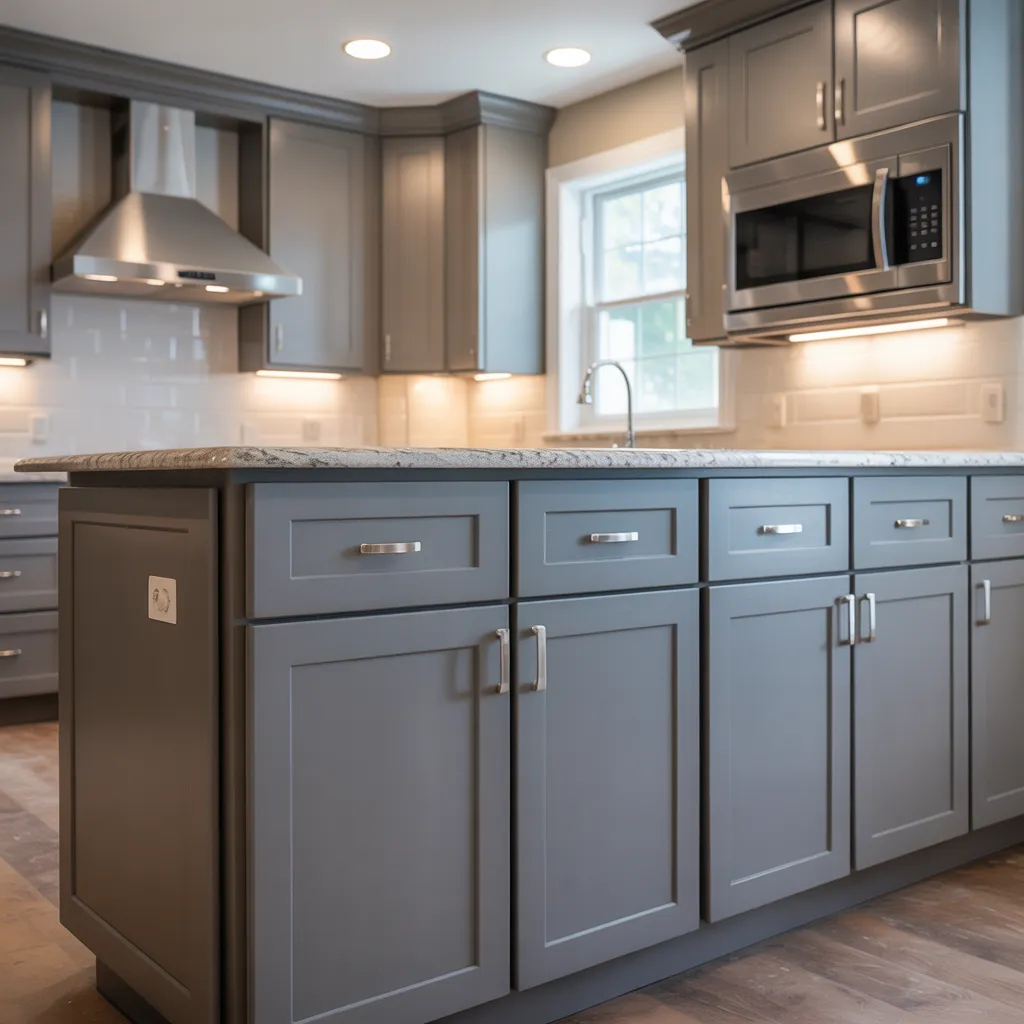
The Importance of a Remodeling Contractor's Role
A home improvement contractor oversees the intricate process of residential renovations, guaranteeing that work proceeds seamlessly from start to finish. This specialist serves as the central figure in managing various tasks, from the planning phase to the final touches. They possess a comprehensive knowledge of building methods, construction materials, and regional regulations, which allows them to reach educated choices that affect project outcomes.
The contractor takes charge of coordinating subcontractors, organizing work schedules, and monitoring the budget. They additionally function as a bridge between clients and tradespeople, handling concerns and sharing progress throughout the remodeling process. Strong communication is critical, since it allows the client's goals to be matched with real-world execution. By coordinating schedules and upholding quality, the remodeling contractor minimizes disruptions and enhances overall efficiency. Ultimately, their expertise and leadership play a significant role in transforming a client's renovation dreams into reality while maintaining a focus on safety and compliance.
How to Establish Clear Expectations for Your Project
Setting clear expectations is essential for the achievement of any home improvement project. Homeowners ought to start by outlining their objectives and intended results, making sure all involved parties are aware of the scope of work. Thorough project descriptions assist in avoiding confusion down the line. Creating a reasonable budget is also a key consideration; it must incorporate provisions for any unanticipated expenditures.
Homeowners need to share their schedules, covering both start and end dates, which supports the synchronization of contractor timetables. Discussing the types of materials to be used and their availability can provide greater clarity regarding the project's course. Regular check-ins can assist in addressing any concerns promptly, reinforcing a collaborative atmosphere.
In the end, documenting all agreements and decisions can provide a reference point throughout the project, reducing conflicts. By defining these expectations clearly, homeowners can promote a well-organized and effective renovation process, guaranteeing that the completed project reflects their goals.
The Role of Effective Communication
Strong communication functions as the backbone of every successful renovation project, making certain that contractors and homeowners stay on the same page during the entire process. It encourages openness, enabling all parties to share their expectations, preferences, and concerns openly. When dialogue remains clear and steady, confusion can be reduced, ultimately preventing unnecessary delays and additional work.
Contractors can take advantage of frequent updates, enabling them to adjust their timelines and resource allocation as necessary. Homeowners, in turn, gain reassurance through consistent communication, remaining more engaged and up to date. Clear communication also fosters trust, a critical component for a mutually beneficial working partnership.
Utilizing multiple channels of communication, like in-person meetings, emails, and phone calls, helps accommodate varying preferences and make certain that key information is shared without delay. At the end of the day, placing emphasis on effective communication not only elevates the renovation process but also supports reaching the intended results efficiently and satisfactorily.
Essential Questions for Choosing the Right Contractor?
How do homeowners go about finding and selecting a dependable remodeling contractor? To make an informed choice, they should begin by posing essential questions. Homeowners should inquire about the contractor's experience and expertise in specific renovations, verifying that the professional holds the appropriate competencies for the job being considered. It is furthermore critical to seek out references and portfolio examples of completed work to evaluate both quality and trustworthiness.
Homeowners ought to confirm the licensing and insurance details of the contractor, verifying their adherence to local rules and standards. Moreover, addressing the schedule and availability for the project assists in establishing reasonable expectations. Asking about subcontractors and their qualifications can also reveal the level of professionalism expected throughout the process.
Ultimately, property owners should seek a well-defined payment schedule and request warranty information for materials as well as workmanship. By posing these questions, property owners can more effectively evaluate prospective contractors and ultimately choose the right fit for their renovation project.
Examining Contractor Proposals
When assessing contractor bids, it is essential to examine cost structures to ensure financial compatibility. Additionally, evaluating project timelines helps in assessing the practicality of each contractor's plan. This systematic approach assists in making informed decisions that can greatly impact the remodeling endeavor.
Analyze Pricing Models
While evaluating pricing structures may appear overwhelming, it is essential for homeowners to thoroughly review contractor proposals to confirm they are getting the most value for their money. Various contractors may offer different pricing structures, such as set pricing, hourly billing, or cost-plus agreements. Property owners should consider not only the full costs but also the details covered in each bid. As an example, certain estimates may bundle materials and labor together, whereas others may itemize them individually, resulting in unforeseen costs down the line. Furthermore, reviewing payment timelines and conditions can uncover possible financial concerns. By recognizing additional resource these distinctions, homeowners can make educated decisions and identify a contractor whose pricing approach matches their financial plan and project requirements.
Review Project Timelines
Evaluating renovation timelines is essential for homeowners looking for transparency in contractor proposals, as setbacks can heavily influence budgets and expectations. A careful examination of proposed timelines allows homeowners to identify possible delays and confirm that contractors follow achievable plans. Homeowners should compare the anticipated start and finish dates across various estimates, carefully considering the particular segments of the renovation. It is recommended to ask concerning the contractor's plan for handling unexpected setbacks, such as environmental factors or logistical challenges. Transparent dialogue about project benchmarks can promote responsibility and openness. By grasping the projected timeframe, homeowners can more accurately set their goals and prepare for any adjustments needed throughout the remodeling journey, resulting in a more seamless outcome.
How to Stay on Track With Your Renovation
Staying on schedule during a renovation can greatly impact the total success of the project. To keep things moving, transparent dialogue between the homeowner and contractor is vital. Creating a comprehensive timeline with clear benchmarks helps everyone maintain accountability. Frequent updates can address any potential delays early on, guaranteeing that concerns are addressed in a timely manner.
Moreover, anticipating unforeseen obstacles, such as disruptions in the supply chain or delays caused by weather, provides for more flexible scheduling. Homeowners should also ensure that decisions regarding material selections and design decisions are determined ahead of time to prevent last-minute changes that might delay the overall progress.
To conclude, selecting a reputable contractor with a demonstrated history of success can significantly improve the potential of staying on schedule. A properly structured team, backed by the necessary tools and materials, will execute duties proficiently, minimizing downtime and keeping the renovation on track. Effective planning and proactive management are essential elements in reaching a prompt project conclusion.
Frequent Remodeling Mistakes With Contractors
Successful renovations require not only proper time management but also an understanding of possible obstacles that can arise when working with contractors. One common issue is a lack of clear communication, which can lead to disputes regarding budgets, project scope, and timelines. It is critical for homeowners to set well-defined expectations and sustain transparent communication throughout the renovation process.
Another frequent mistake is underestimating costs. Homeowners frequently fail to consider extra costs such as permits, materials, or unforeseen repairs, which can strain budgets. Moreover, the selection of a contractor carries considerable weight; working with unlicensed or inexperienced professionals can lead to poor quality work or legal issues.
Last but not least, ignoring references and feedback can cause homeowners to hire inadequate contractors. It is essential for homeowners to thoroughly research and vet potential candidates to steer clear of setbacks and frustration. By acknowledging these potential errors, homeowners can preserve the integrity of their renovation projects and enjoy a more efficient experience.
Common Questions and Answers
What Can I Do When My Contractor Fails to Meet a Deadline?
Should a contractor not meet an agreed-upon deadline, the homeowner ought to reach out directly, expressing concerns and seeking clarification. Record the discussion, check the agreement for specific terms, and evaluate the possibility of creating a new timeframe or pursuing other remedies as required.
How Should I Deal with Unforeseen Costs During the Renovation?
To address unexpected costs amid renovation work, homeowners should carefully examine the contract, maintain open communication with the project contractor, explore alternative solutions, and preserve a backup budget. This proactive approach assists in alleviating stress and guarantees smoother project progression.
What Permits Do I Need for My Remodeling Project?
To establish the required permits for a home improvement project, one must consult municipal building requirements. Generally, approvals may consist of structural, electrical, plumbing, or zoning approvals, depending on the scope of the project and local regulations.
Can I Live in My Home During the Renovation?
In many cases, homeowners are able to stay in their homes during renovation projects, but the feasibility relies on the scope of the work being done. Noise, dust, and limited access might create challenges, so careful planning and communication with contractors are essential.
How Should I Deal With Disagreements With My Contractor?
To handle conflicts with a contractor, individuals should articulate concerns directly, be receptive to their viewpoint, work toward a mutual agreement, document discussions, and, when needed, consider mediation to achieve a favorable outcome for everyone involved.